Walk into any hardware store and you'll find products labeled "mold and mildew remover" — as if they're the same thing. They're not. Mold and mildew are both fungi that grow in moist environments, but they differ significantly in their growth patterns, health risks, and how they should be treated. Knowing which one you're dealing with can save you money and potentially protect your family's health.
What Is Mildew?
Mildew is a surface fungus that grows in flat, powdery or fluffy patches. It's almost always white or gray, and occasionally yellow. Mildew grows on the surface of moist materials — you'll typically find it on shower tiles, window sills, fabric, and paper. It doesn't penetrate below the surface of the material it grows on.
Mildew is the less serious of the two. It's a nuisance and can cause minor respiratory irritation, but it doesn't structurally damage your home and is relatively easy to clean. A good scrub with a household cleaner, improved ventilation, and reduced humidity usually resolves a mildew problem.
What Is Mold?
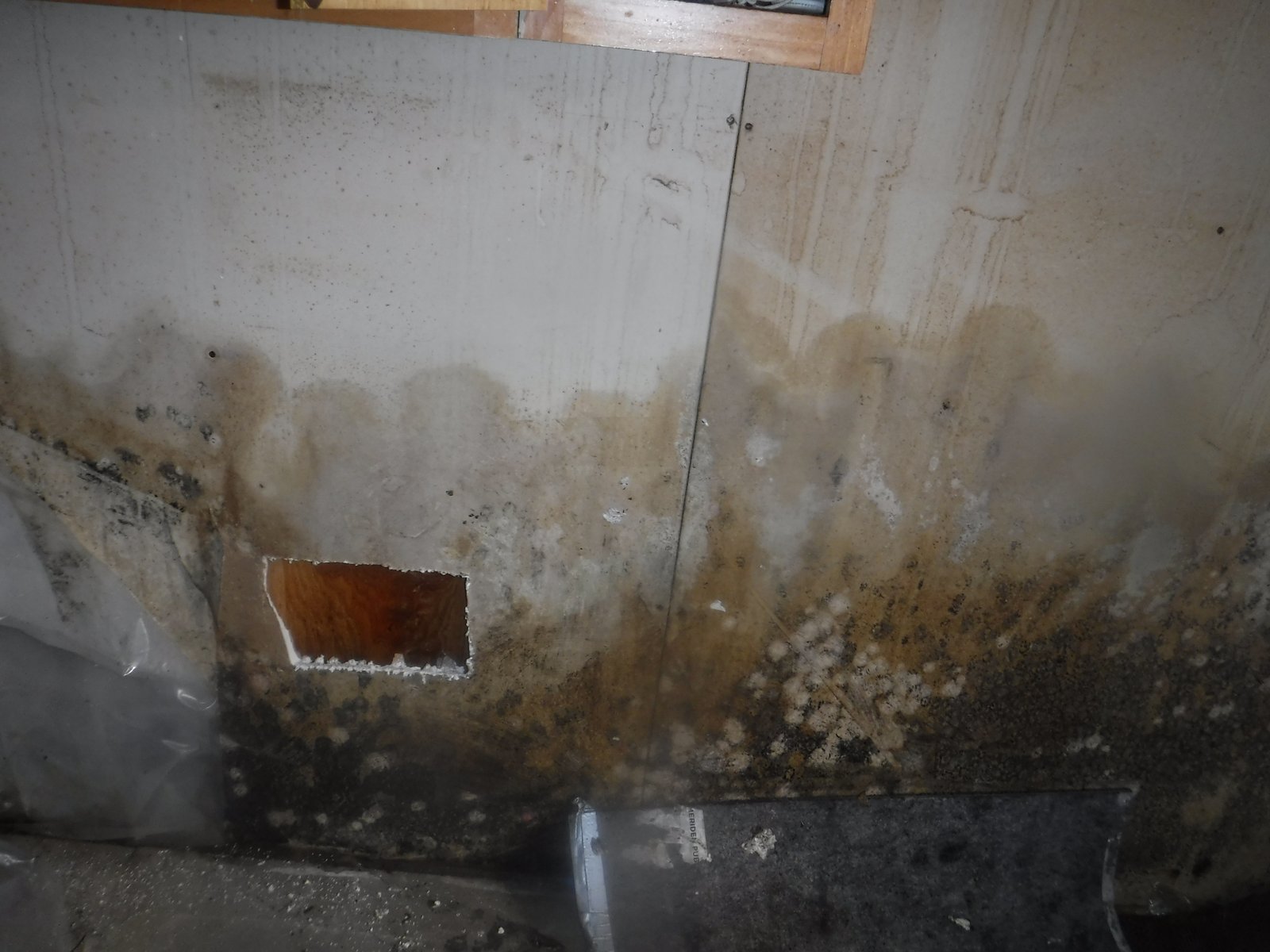
Mold is a more complex organism. It grows in fuzzy or slimy colonies that can be black, green, blue, red, orange, or white. Unlike mildew, mold sends microscopic root-like structures (hyphae) deep into the materials it grows on — drywall, wood, carpet, insulation. This penetration is what makes mold so damaging and so difficult to remove without professional help.
Mold also produces spores that become airborne and can spread contamination throughout a home through HVAC systems and air movement. Some mold species produce mycotoxins — toxic compounds that can cause serious health effects with prolonged exposure.
How to Tell the Difference
Appearance
- Mildew: Flat, powdery texture. White, gray, or occasionally yellow. Surface-level only.
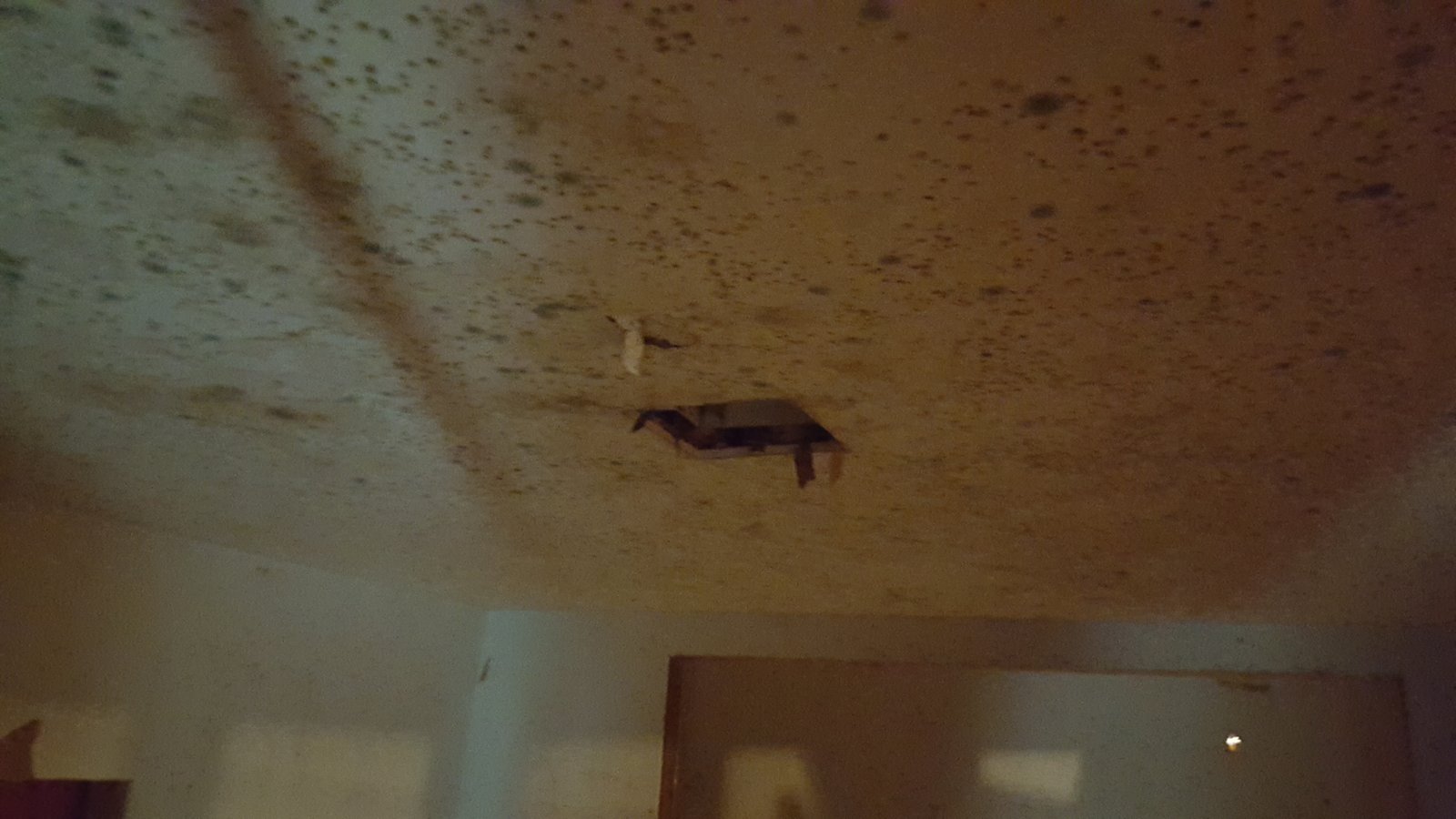
- Mold: Fuzzy or slimy. Black, green, blue, or other colors. May look raised or three-dimensional.
Where It Grows
- Mildew: Shower grout, window sills, bathroom ceilings, fabric, paper. Prefers surfaces.
- Mold: Inside walls, under floors, in insulation, on wood framing, in HVAC ducts. Penetrates porous materials.
The Bleach Test
Apply a small amount of diluted bleach (1 part bleach to 16 parts water) to the growth and wait 2 minutes. If the area lightens, you likely have mildew. If it remains dark or doesn't change, you likely have mold. This isn't a definitive test — for certainty, professional mold testing with lab analysis is the only reliable method.
Odor
- Mildew: Mild musty smell, usually localized to the area of growth.
- Mold: Strong, pervasive earthy or musty odor that may be detectable throughout a room or beyond.
Health Risks: Mold vs. Mildew
Mildew Health Effects
Mildew can cause mild respiratory irritation, coughing, and headaches — particularly for people with allergies or asthma. These effects are generally mild and resolve when the mildew is removed and exposure ends. Mildew is not typically associated with serious long-term health effects in otherwise healthy individuals.
Mold Health Effects
Mold exposure can cause a significantly wider range of health problems depending on the mold species, exposure duration, and the individual's sensitivity:
- Allergic reactions: runny nose, sneezing, red eyes, skin rash
- Respiratory symptoms: coughing, wheezing, shortness of breath
- Neurological symptoms (with some species): headaches, brain fog, fatigue
- Serious illness in immunocompromised individuals
Certain mold species — particularly Stachybotrys chartarum (black mold) — produce mycotoxins that can cause more severe effects. See our guide on black mold symptoms for more detail.
Treatment: Mold vs. Mildew
Treating Mildew (DIY)
For small areas of mildew on non-porous surfaces:
- Wear rubber gloves and a dust mask
- Scrub with a solution of 1 cup bleach per gallon of water, or use a commercial mildew remover
- Rinse thoroughly and dry completely
- Address the underlying moisture source — improve ventilation, fix the leak, or add a dehumidifier
Treating Mold (Professional)
Mold on porous materials — drywall, wood, insulation, carpet — cannot be effectively treated with surface cleaning. The material must be removed and replaced. This requires:
- Proper containment to prevent spore spread
- HEPA air filtration during removal
- Safe disposal of contaminated materials
- Treatment of structural materials that remain
- Post-remediation testing to confirm clearance
Attempting to clean mold off porous materials typically drives spores deeper into the material while distributing additional spores into the air. Our guide on why DIY mold removal often backfires covers this in detail.
Not Sure What You're Dealing With?
Our certified specialists can identify and test any growth in your Fairfield County home — same-day response available.
📞 Call (203) 401-8841 Get It Tested →When to Call a Professional
Call a certified mold specialist if:
- The growth is fuzzy, has multiple colors, or has a strong pervasive odor — likely mold, not mildew
- Growth covers more than 10 square feet
- The growth is on drywall, wood, or insulation
- Growth returns within weeks of cleaning
- Household members are experiencing health symptoms
- You're unsure what you're dealing with