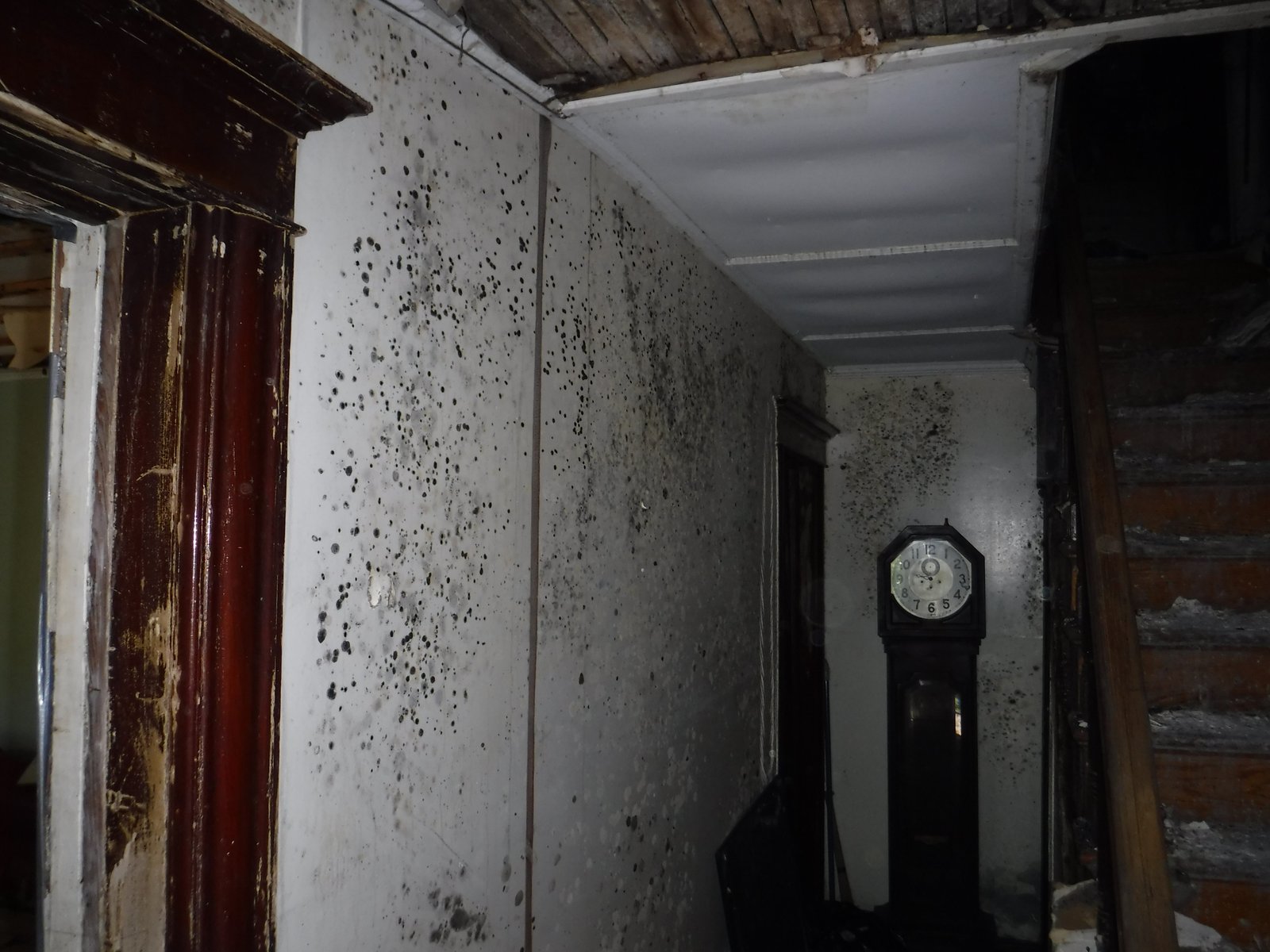
Of all the places mold takes hold in Connecticut homes, the basement is the most common — and often the most serious. Basement mold accounts for a significant portion of the mold remediation jobs we handle throughout Fairfield County, and for good reason: Connecticut's climate, geology, and housing stock create nearly ideal conditions for basement moisture and mold growth.
In this guide, we'll walk through why Connecticut basements are so susceptible, how to recognize the warning signs, what you can do to prevent mold, and when it's time to stop trying to manage it yourself and call a certified professional.
Why Connecticut Basements Are So Prone to Mold
Several factors combine to make basement mold especially common in Fairfield County and across Connecticut:
Climate and Humidity
Connecticut experiences significant humidity year-round — hot, humid summers and significant precipitation throughout the year. Fairfield County averages over 50 inches of rain annually. All that moisture has to go somewhere, and it often finds its way into basements through foundation walls, floor cracks, and window wells.
Older Housing Stock
Many homes in Fairfield County were built before modern waterproofing standards existed. Older homes often lack adequate vapor barriers, proper drainage membranes, and the waterproofing systems that newer construction takes for granted. Concrete block foundations — common in homes built before the 1970s — are particularly porous.
Topography and Groundwater
Many Fairfield County neighborhoods sit on sloped terrain where groundwater naturally flows toward and against foundation walls. After heavy rain events — which are frequent in southern Connecticut — hydrostatic pressure forces water through even small cracks in foundation walls.
Sump Pump Failure
Most Connecticut basements have sump pumps. When a sump pump fails — whether from a power outage, mechanical failure, or being overwhelmed by flood volume — the result can be significant water intrusion in a very short time. Even a brief flooding event can initiate mold growth within 24-48 hours.
Signs You Have Basement Mold
Basement mold doesn't always announce itself visibly. Watch for these indicators:
Visual Signs
- Dark spots or patches on concrete, drywall, wood framing, or insulation — may be black, green, gray, or white
- White powdery or chalky deposits on concrete walls (efflorescence) — indicates water is moving through the concrete, creating conditions for mold
- Discoloration or staining on stored items, boxes, or furniture
- Peeling paint or bubbling drywall
- Rust stains on metal floor drains or supports
Odor
A musty, earthy smell in the basement — especially after it rains or during humid weather — is one of the most reliable indicators of mold even when nothing is visible. Mold produces microbial volatile organic compounds (mVOCs) that create this distinctive odor long before colonies become large enough to see.
Health Symptoms
If household members experience allergy-like symptoms — particularly when spending time in or near the basement — mold may be the cause. Coughing, sneezing, eye irritation, and congestion that improve when you leave the home are classic signs of mold exposure.
The Most Common Areas for Basement Mold in CT Homes
- Fiberglass insulation on rim joists — insulation absorbs moisture and mold grows inside it, often invisibly
- Behind drywall and paneling — finished basements trap moisture behind finished surfaces where mold grows undetected
- Under carpet and carpet padding — basement carpeting is almost always a moisture trap
- Wood framing and sill plates — the lowest wood members are in direct contact with concrete and are chronically damp
- Around sump pump pits and floor drains — high moisture zones
- Storage items — cardboard boxes, paper documents, and fabric items are a food source for mold when damp
Basement Mold Prevention: What Actually Works
Control Interior Humidity
Keep basement relative humidity below 60% — ideally 50% or less. A dedicated basement dehumidifier running continuously during warm months is one of the most effective mold prevention tools available. Check the water collection bucket daily or install a unit that drains to a floor drain automatically.
Address Exterior Drainage
Ensure gutters and downspouts direct water at least 6 feet from the foundation. Grade soil so it slopes away from the house — not toward it. These simple exterior measures dramatically reduce water pressure on foundation walls.
Seal Cracks and Penetrations
Hydraulic cement or appropriate waterproofing sealant can address small foundation cracks before they become larger problems. Around pipes and utility penetrations, expanding foam sealant provides a moisture barrier.
Improve Ventilation
Stagnant air promotes mold. Ensure basement areas have adequate air circulation — even running a fan periodically helps. If the basement has windows, opening them on dry, sunny days helps exchange humid basement air with drier outside air.
Maintain Your Sump System
Test your sump pump seasonally by pouring water into the pit and confirming it activates. Consider a battery backup system — during the storms that often cause the most flooding, power outages are common. Clean the sump pit of debris annually.
.jpg)
When DIY Isn't Enough: Calling a Professional
Homeowners can address minor surface mold on non-porous materials (concrete, tile) with appropriate cleaning. But professional remediation is necessary when:
- Mold covers more than 10 square feet
- Mold is present in insulation, drywall, or wood framing — porous materials require removal, not just cleaning
- There's a musty smell but no visible mold (mold is likely hidden)
- Mold has returned after previous cleaning attempts
- Household members are experiencing health symptoms
- The mold followed water damage from flooding or a burst pipe
Basement Mold in Your Fairfield County Home?
Don't let it spread. Our certified technicians provide same-day response throughout Fairfield County.
📞 Call (203) 401-8841 Schedule Inspection →What Professional Basement Mold Remediation Involves
When our team arrives for a basement mold job, the process typically includes:
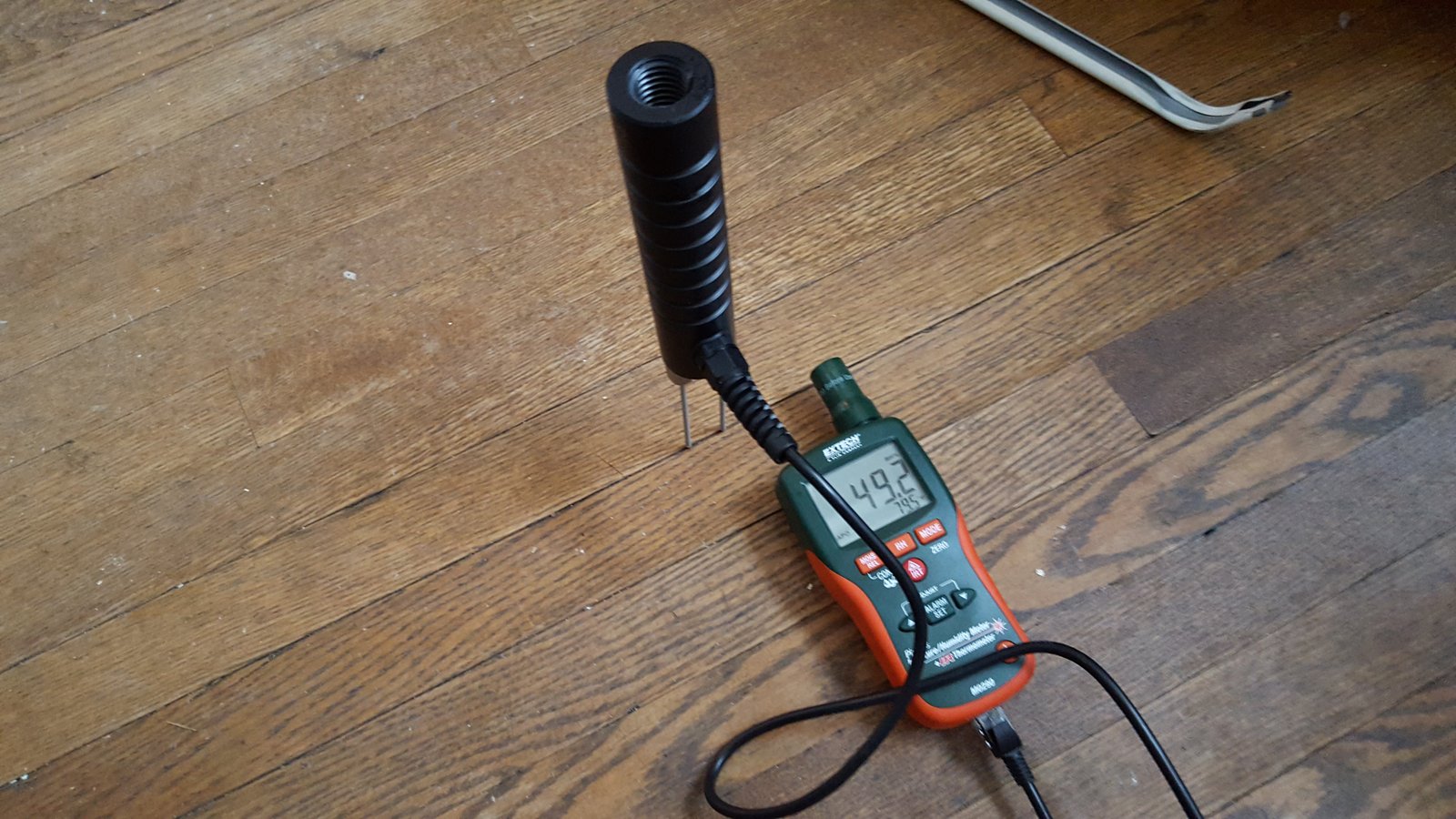
- Full visual inspection and moisture mapping to find all affected areas
- Containment of the work area with plastic sheeting and negative air pressure
- HEPA air scrubbers running throughout the remediation
- Removal of all mold-affected porous materials (insulation, drywall, carpet)
- HEPA vacuuming of all surfaces
- EPA-registered antimicrobial treatment of structural materials
- Post-remediation air testing to confirm clearance
- Written documentation for insurance purposes
Learn more about our complete mold remediation process or schedule a basement inspection.