.jpg)
Crawl space mold is one of the most common findings in our Fairfield County inspections — and one of the most frequently overlooked problems in Connecticut homes. Because homeowners rarely enter their crawl spaces, mold can grow unchecked for years, quietly damaging wood framing, insulation, and air quality throughout the house above.
In this guide, we'll explain why crawl spaces in Fairfield County are so prone to mold, how to recognize the warning signs without ever going under your house, and what professional remediation involves.
Why Crawl Spaces in Connecticut Are Mold Magnets
The conditions in a typical Fairfield County crawl space are nearly ideal for mold growth:
Ground Moisture Evaporation
Exposed soil in a crawl space releases significant moisture through evaporation. Without an adequate vapor barrier, this moisture rises into the crawl space, saturating wood framing, insulation, and any stored materials. Connecticut's high water table in many areas amplifies this problem.
Inadequate or Failed Vapor Barriers
Many older Fairfield County homes either lack vapor barriers entirely or have barriers that have degraded, shifted, or been damaged over time. A missing or compromised vapor barrier is one of the primary causes of crawl space mold.
Poor Ventilation
Traditional crawl space design relied on foundation vents to provide air circulation. In practice, these vents often introduce humid summer air that condenses on cooler crawl space surfaces — the opposite of what's intended. Modern building science increasingly favors encapsulated, conditioned crawl spaces.
Plumbing Leaks
Supply lines and drain pipes run through crawl spaces. Small, slow leaks — especially in drain lines — can drip undetected for months, creating persistent wet spots that become mold colonies.
Exterior Water Intrusion
Water from heavy rain, snowmelt, or poorly directed downspouts can infiltrate crawl spaces through foundation vents, cracks in the foundation wall, or simply flowing over the top of an inadequate foundation. Once water enters a crawl space, it has nowhere to go — creating a persistently wet environment.
Warning Signs of Crawl Space Mold
You don't need to crawl under your house to notice these indicators:
From Inside the Home
- Musty smell on the first floor — particularly noticeable on humid days, near floor vents, or near the area above the crawl space
- Floors that feel soft, springy, or uneven — may indicate wood rot in the subfloor caused by chronic moisture
- Increased allergy or asthma symptoms — crawl space air moves up into living areas through the stack effect, carrying spores with it
- Higher-than-normal humidity indoors — a crawl space that's releasing moisture affects the whole house
- Cold floors in winter — may indicate that insulation has been damaged by moisture and mold
During a Visual Check
If you can safely peek into your crawl space with a flashlight, look for:
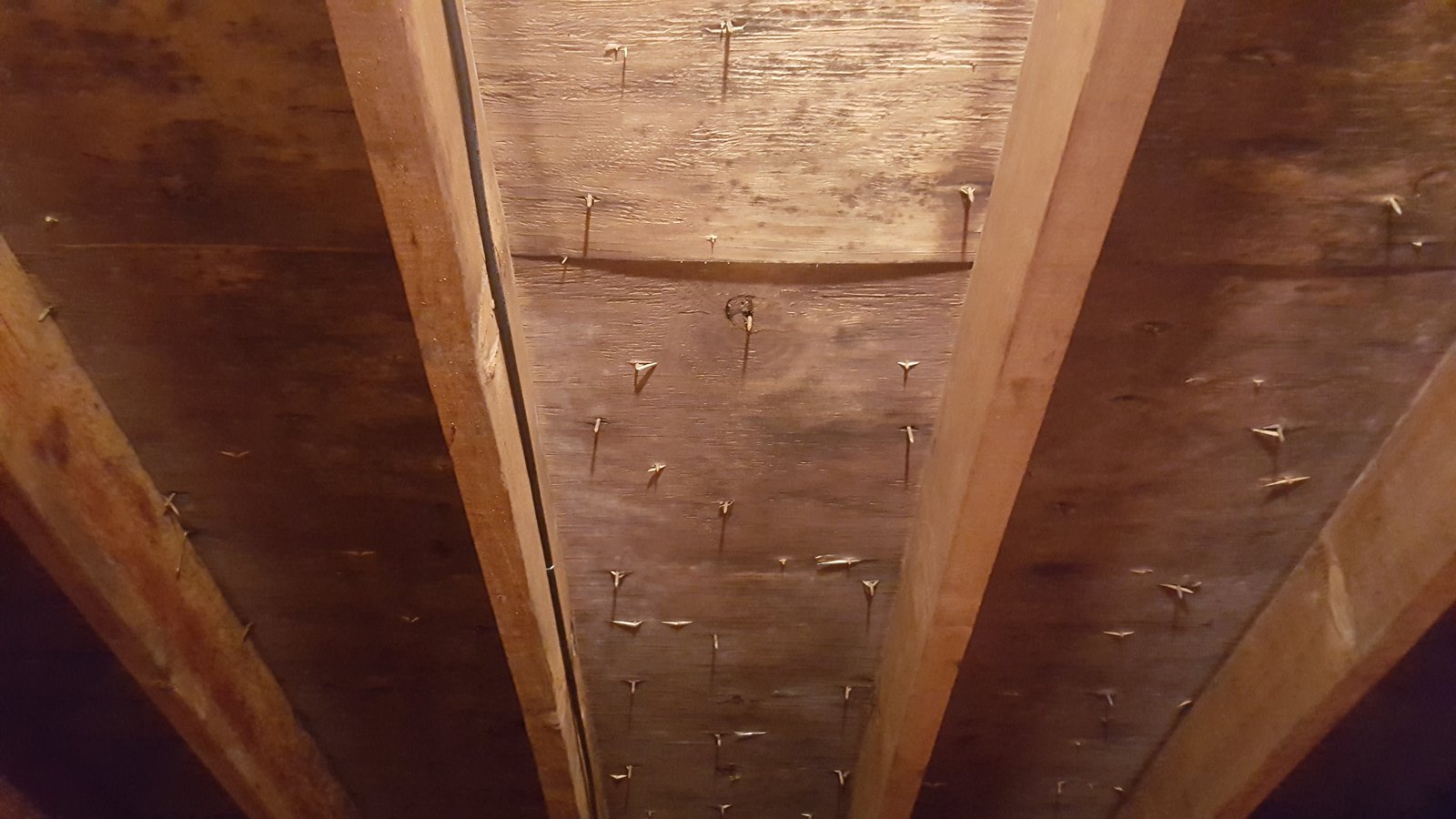
- Dark spots or fuzzy growth on wood joists, subfloor, or insulation
- Insulation that is sagging, wet, or discolored
- Standing water or consistently wet soil
- Vapor barrier that is ripped, missing, or covered with growth
- Rust on any metal straps, pipes, or hardware
Health Risks of Crawl Space Mold
Crawl space mold is not isolated from the rest of your home. The stack effect — warm air rising through a house and being replaced by air drawn up from below — means that crawl space air, including mold spores, circulates throughout your living spaces. Research suggests that as much as 50% of the air in the first floor of a home may come from the crawl space.
Chronic low-level mold spore exposure from a crawl space source can cause persistent allergy symptoms, respiratory irritation, fatigue, and other effects that are easily misattributed to seasonal allergies or other conditions. Children, elderly individuals, and people with asthma or immune system conditions are at elevated risk.
Professional Crawl Space Mold Remediation
Crawl space remediation requires specialized equipment and experience. Our process typically includes:
- Full inspection with moisture mapping and documentation of all affected areas
- Containment of the crawl space access point to prevent cross-contamination
- HEPA air scrubbers running throughout the work
- Removal of mold-contaminated insulation — insulation that has absorbed moisture and mold cannot be cleaned; it must be replaced
- HEPA vacuuming and antimicrobial treatment of all structural wood surfaces
- Vapor barrier installation or replacement — typically 6-20 mil polyethylene over the entire soil area, sealed at seams and to foundation walls
- Post-remediation air testing to confirm clearance
- Written clearance documentation
Preventing Crawl Space Mold
After remediation, long-term prevention requires addressing the moisture source:
- Install or replace the vapor barrier — this is the single most important step for most Connecticut crawl spaces
- Consider crawl space encapsulation — a fully sealed, conditioned crawl space is the gold standard for moisture control
- Redirect exterior drainage — gutters, downspouts, and grading should direct water away from the foundation
- Install a crawl space dehumidifier — in encapsulated spaces, a dedicated dehumidifier maintains low humidity year-round
- Fix any plumbing leaks immediately
- Annual inspection — checking the crawl space once per year catches problems early before they become expensive
Suspect Crawl Space Mold?
Our certified inspectors serve all of Fairfield County. We'll assess your crawl space thoroughly and provide a clear remediation plan.
📞 Call (203) 401-8841 Schedule Inspection →Service Areas — Crawl Space Mold Remediation
We provide crawl space mold remediation throughout Fairfield County, including:
- Crawl Space Mold — Weston, CT
- Crawl Space Mold — Wilton, CT
- Crawl Space Mold — Westport, CT
- Crawl Space Mold — Greenwich, CT
- Crawl Space Mold — Norwalk, CT
- Crawl Space Mold — Stamford, CT
- Crawl Space Mold — Danbury, CT