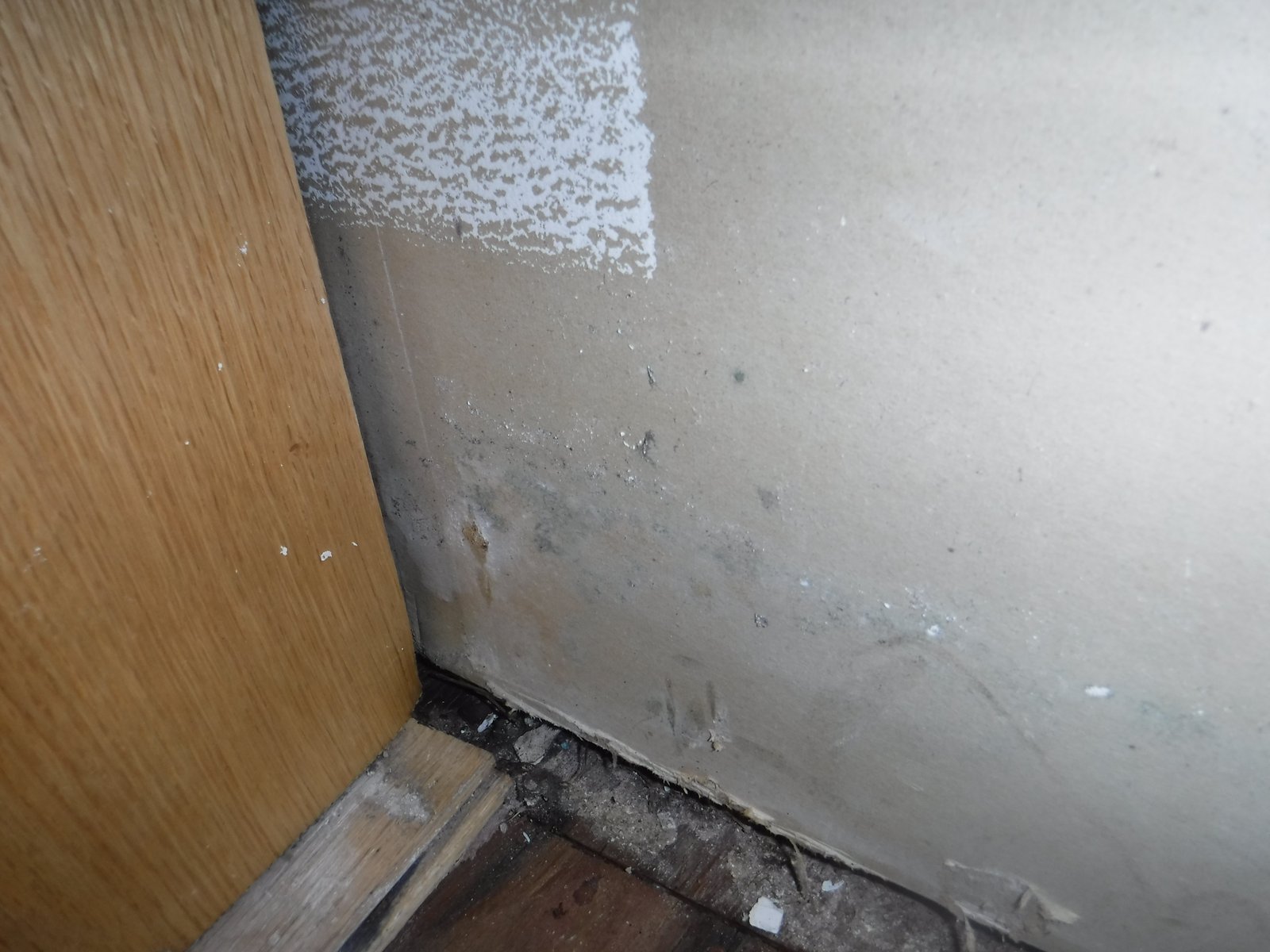
Mold is one of the most common — and most underestimated — problems in Connecticut homes. Fairfield County's humid coastal climate, combined with cold winters that create condensation, creates near-perfect conditions for mold growth year-round. The challenge is that mold often grows in places you can't easily see: inside walls, under floors, behind appliances, in attics and crawl spaces.
As Fairfield County's certified mold remediation specialists, we've inspected thousands of homes across Stamford, Greenwich, Norwalk, Westport, and surrounding communities. Here's what we've learned about the signs that mold may be present in your home — and when it's time to call a professional.
1. The Musty Smell You Can't Explain
The most common first sign of hidden mold is a musty, earthy odor — often described as smelling like wet dirt, old books, or a damp basement that never quite dries out. This smell is caused by microbial volatile organic compounds (MVOCs) produced by actively growing mold colonies.
If you notice this smell in your home — especially in the basement, bathroom, behind walls, or after running the HVAC system — take it seriously. Mold you can smell but can't see is often the most widespread mold, having spread throughout cavities and building materials.
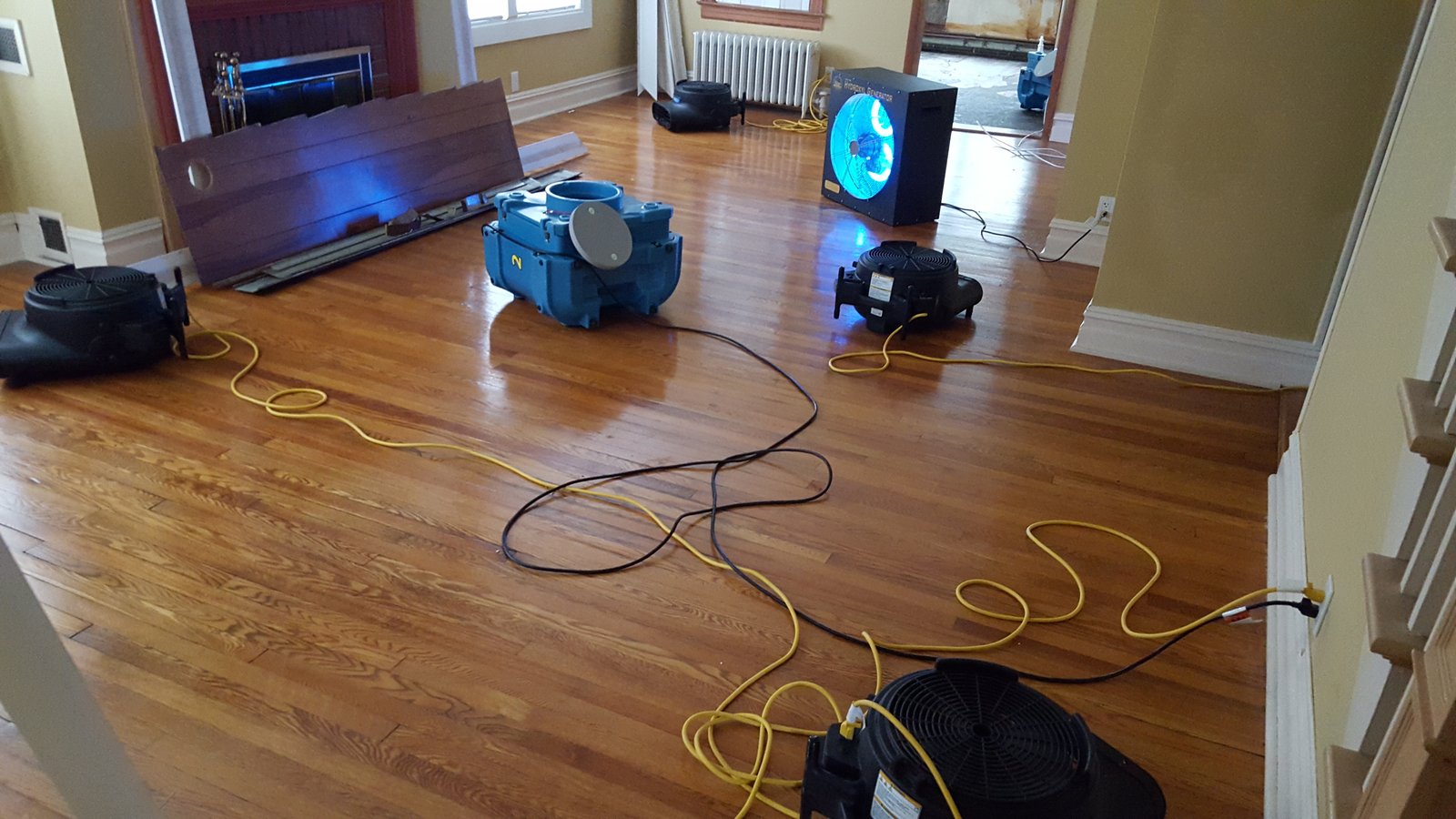
2. Visible Mold Growth
Not all mold is the dramatic black mold you might picture. Mold comes in many colors and textures:
- Black or dark green: Often Stachybotrys (toxic black mold) or Cladosporium
- White and fuzzy: Often early-stage mold or Aspergillus
- Green or blue-green: Often Penicillium (common in water-damaged materials)
- Orange or pink: Often bacterial growth in bathrooms, sometimes combined with mold
- Brown or gray: Often Alternaria, common in basements and bathrooms
Important: if you see spots that look like mold, assume it is mold until proven otherwise. Do not attempt to wipe it away — this can release thousands of spores into the air.
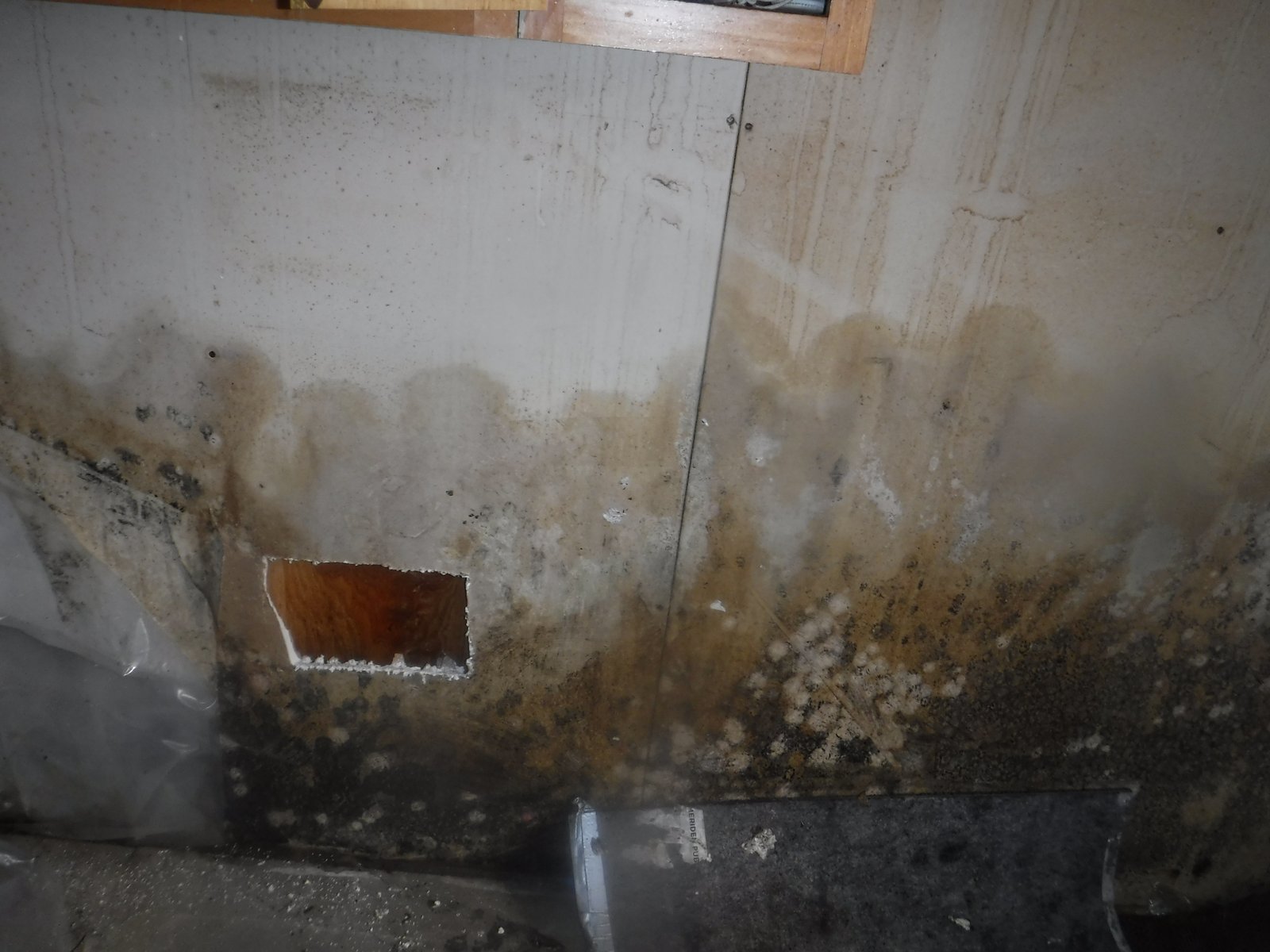
3. Water Stains, Discoloration, or Bubbling Paint
Mold needs moisture to grow. Any signs of past or current water intrusion are red flags:
- Yellow, brown, or rust-colored stains on walls or ceilings
- Paint that is bubbling, peeling, or warping
- Drywall that feels soft, spongy, or bowed
- Warped or buckled flooring
- Efflorescence (white mineral deposits) on basement walls
These water damage signs often indicate conditions where mold is either already growing or will grow soon. In Fairfield County, we frequently find mold growing behind walls and under floors where a slow leak went undetected for months or years.
4. Health Symptoms That Improve When You Leave Home
Mold exposure can cause or worsen a range of health symptoms, including:
- Persistent coughing or wheezing
- Nasal and sinus congestion
- Eye irritation, itching, or watering
- Skin rashes or irritation
- Headaches or fatigue
- Worsening asthma symptoms
A key diagnostic clue: if your symptoms consistently improve when you leave home (travel, vacation, time at work) and return when you're back, mold in your home may be the cause. This pattern strongly suggests indoor air quality issues that warrant professional mold testing.

5. Recent Water Damage or Flooding
Mold can begin growing within 24–48 hours of a moisture event. If your home has experienced any of the following in the past 12 months, mold inspection is strongly recommended:
- Basement flooding (even minor)
- Roof leaks or ice dams
- Burst or leaking pipes
- HVAC condensation problems
- Storm water intrusion
- Appliance leaks (dishwasher, washing machine, refrigerator)
Even if you dried everything out quickly and things seem fine, mold can still be growing inside walls and under floors where you can't see it. In Connecticut, the high humidity following summer storms often extends drying times and increases mold risk significantly.
6. HVAC System With a Musty Smell
When your heating or cooling system turns on and you smell a musty odor coming from the vents, mold may be growing inside your HVAC system, ductwork, or air handler. This is particularly serious because every time the system runs, it can distribute mold spores throughout your entire home.
Mold in HVAC systems is more common than people realize, especially in Connecticut where air conditioning creates condensation that can accumulate if drainage is impaired. Annual HVAC inspection and cleaning is one of the best ways to prevent this problem.
Where to Look for Mold in Fairfield County Homes
Based on our experience inspecting homes throughout Fairfield County, these are the most common locations where we find mold:
- Basement walls and floor joists — Especially near foundation cracks or sump pump areas
- Attic sheathing — Poor ventilation causes moisture buildup on roof decking
- Behind bathroom tile and drywall — Shower and tub areas with imperfect sealing
- Under kitchen and bathroom sinks — Slow drip leaks often go unnoticed
- Around windows — Condensation and poor flashing cause moisture intrusion
- Crawl spaces — Often inadequately ventilated and vapor-controlled
- Inside walls near plumbing — Slow pipe leaks, particularly in older homes
Think You Might Have Mold?
Don't wait — mold spreads fast and becomes more expensive to remediate over time. Our certified inspectors serve all of Fairfield County.
Schedule a Mold Inspection → 📞 Call (203) 401-8841DIY vs. Professional Mold Testing
Hardware store mold test kits can tell you that mold spores exist in your home — which is virtually guaranteed in any home. What they can't tell you is what type of mold it is, how concentrated the spores are, or where the source is. For meaningful information you can act on, professional mold testing with accredited lab analysis is necessary.
If you suspect mold in your Fairfield County home, the most efficient path is a professional mold inspection — our certified inspectors will locate the source and give you clear, actionable findings in a written report.
When to Call a Professional Immediately
Some situations require urgent professional attention:
- You can see mold covering more than 10 square feet
- Mold is present in your HVAC system or ductwork
- A family member has been diagnosed with mold-related illness
- You've had a major water damage event in the past 48 hours
- You're experiencing a strong musty odor with no identifiable source
In these situations, call us immediately at (203) 401-8841. We provide same-day response and 24/7 emergency service throughout Fairfield County.