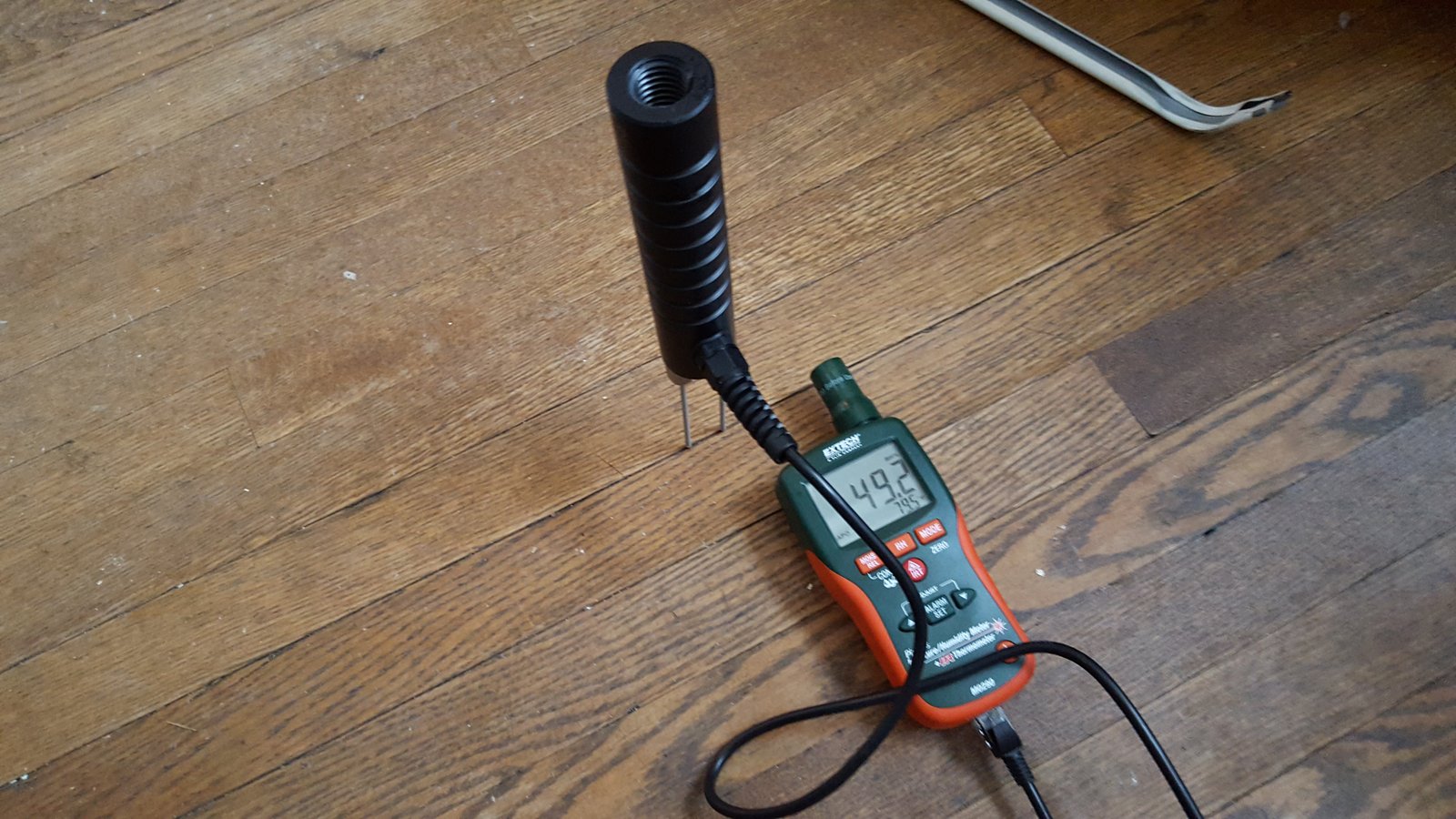
Every year, Connecticut homeowners face water damage from storms, flooding, burst pipes, and roof leaks — and every water damage event carries the risk of mold. What many homeowners don't realize is just how quickly mold can develop after water intrusion: under the right conditions, mold can begin growing within 24 to 48 hours of a moisture event.
After years of responding to mold emergencies throughout Fairfield County — from basement floods in Danbury to roof leaks in Greenwich to storm surge damage in Norwalk — we've seen firsthand how the decisions made in the first few hours after water damage dramatically affect the extent and cost of mold remediation later.
The 24–48 Hour Window: Why Acting Fast Is Critical
Mold spores are everywhere — in the air, on surfaces, and in the dust in your home. They're harmless until they encounter moisture and a food source (which can be almost any organic material including drywall, wood, carpet, and even dust). When water damage occurs:
- 0–24 hours: Mold spores begin germinating on wet organic materials
- 24–48 hours: Mold colonies start forming and become visible
- 3–12 days: Mold fully colonizes affected materials and begins spreading
- After 2 weeks: Mold may be deeply embedded in materials requiring demolition and replacement
The difference between a $2,000 remediation job and a $15,000 one can literally come down to whether you called a professional on day one or day seven.
Immediate Steps After Water Damage in Your CT Home
Step 1: Stop the water source
Turn off the water main if it's a plumbing issue. If it's storm intrusion, move valuables and identify how water is entering.
Step 2: Document everything for insurance
Take photographs and video of all damage before anything is moved or cleaned. This documentation is essential for your homeowner's insurance claim.
Step 3: Extract standing water immediately
Use a wet/dry vacuum for small amounts. For significant flooding, a water extraction service or professional restoration company should be called.
Step 4: Begin drying as quickly as possible
Open windows (if weather allows), run dehumidifiers at full capacity, and place fans to maximize air circulation. The goal is to get materials dry within 24–48 hours.
Step 5: Remove wet materials
Wet carpet, padding, and drywall that cannot be dried quickly should be removed. These materials become mold farms if left wet. Do not reinstall new materials until the underlying structure is fully dry.
Step 6: Call a mold specialist
Even if you've dried things out quickly, mold may still be developing in areas you can't see. A professional mold inspection after a significant water event is the only way to know for certain.
.jpg)
Common Water Damage + Mold Scenarios in Fairfield County
Basement Flooding
Basement flooding is the most common water damage scenario we see in Fairfield County. Whether from a sump pump failure, foundation crack, or storm drain backup, basement water can quickly saturate framing, insulation, and stored belongings. Even after the visible water is removed, residual moisture in concrete, wood framing, and fiberglass insulation can sustain mold growth for weeks.
Roof Leaks and Ice Dams
Connecticut winters create ideal conditions for ice dams — water backs up under shingles and penetrates the roof structure. By the time a homeowner notices a water stain on the ceiling, significant mold may have already developed in the attic. Mold in attic sheathing is one of the most common findings in our Fairfield County inspections.
Storm Damage
Major storms, particularly nor'easters and hurricanes that track along the Connecticut coast, can drive water into homes through windows, doors, and damaged roofing. Coastal communities like Norwalk, Westport, and Greenwich are particularly vulnerable. Water that enters during a storm often goes undetected in walls and structural cavities until mold appears months later.
Plumbing Leaks
Slow plumbing leaks — particularly under sinks, around toilet bases, and in walls adjacent to showers — can go undetected for months. By the time the leak is discovered, mold has often extensively colonized the surrounding materials. This is one of the primary reasons we recommend annual mold inspections for homes over 20 years old.
Does Homeowner's Insurance Cover Mold After Water Damage?
Coverage depends on your specific policy and the cause of the water damage. Generally:
- Usually covered: Mold resulting from sudden, accidental water damage (burst pipe, storm damage, appliance malfunction)
- Often not covered: Mold from gradual leaks, flooding (requires separate flood insurance), or maintenance negligence
- Gray areas: Roof leaks, sump pump failure (may require a rider)
We provide complete documentation — inspection reports, photographs, and remediation records — to support your insurance claim. We're experienced working with all major insurance carriers in Connecticut, and we can help you navigate the claims process.
When DIY Drying Isn't Enough
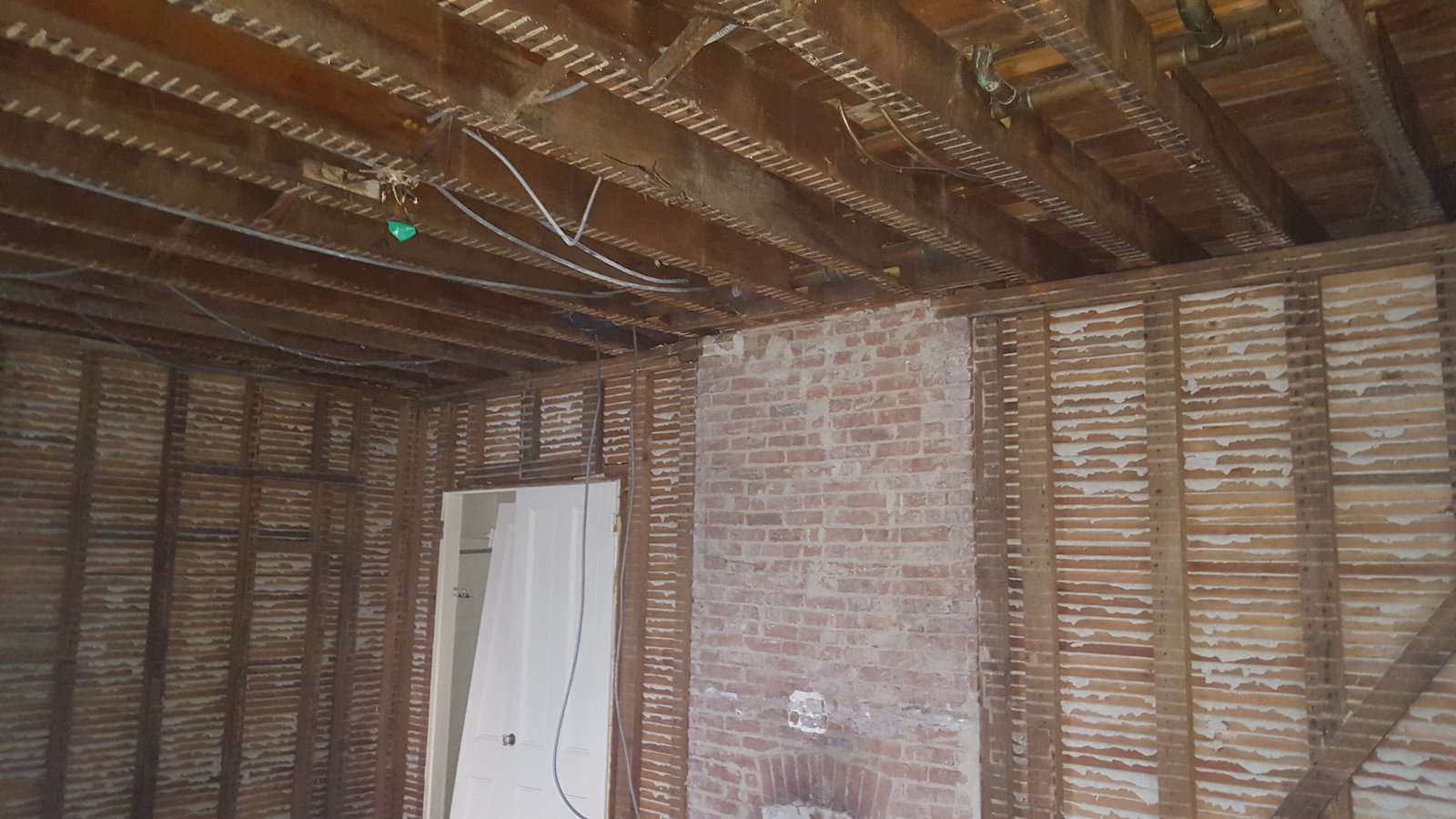
Consumer-grade fans and dehumidifiers help, but they often aren't sufficient to prevent mold after significant water events. Professional water mitigation equipment moves dramatically more air and extracts far more moisture from structural materials. Signs that DIY drying hasn't been enough include:
- Materials still feel damp or cool 48+ hours after the event
- A musty smell develops within a week
- Visible mold appears on any surface
- Indoor humidity remains above 60% despite running dehumidifiers
In these situations, professional intervention — both water mitigation and mold remediation — is necessary.
Had Water Damage Recently?
Don't wait for mold to become visible. Call us now for a same-day inspection throughout Fairfield County.
📞 Call (203) 401-8841 View Our Services →Service Areas — Water Damage Mold Remediation
We provide emergency mold response throughout Fairfield County, CT: