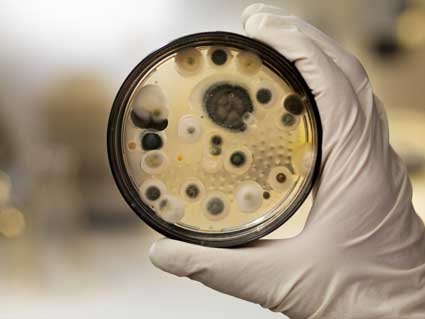
"Black mold" is one of the most feared phrases a homeowner can hear. But there's a lot of misinformation about what black mold actually is, how dangerous it is, and what to do about it. As Fairfield County's certified mold remediation specialists, we deal with black mold — and all types of mold — every day. Here's what you actually need to know.
What Is "Black Mold"?
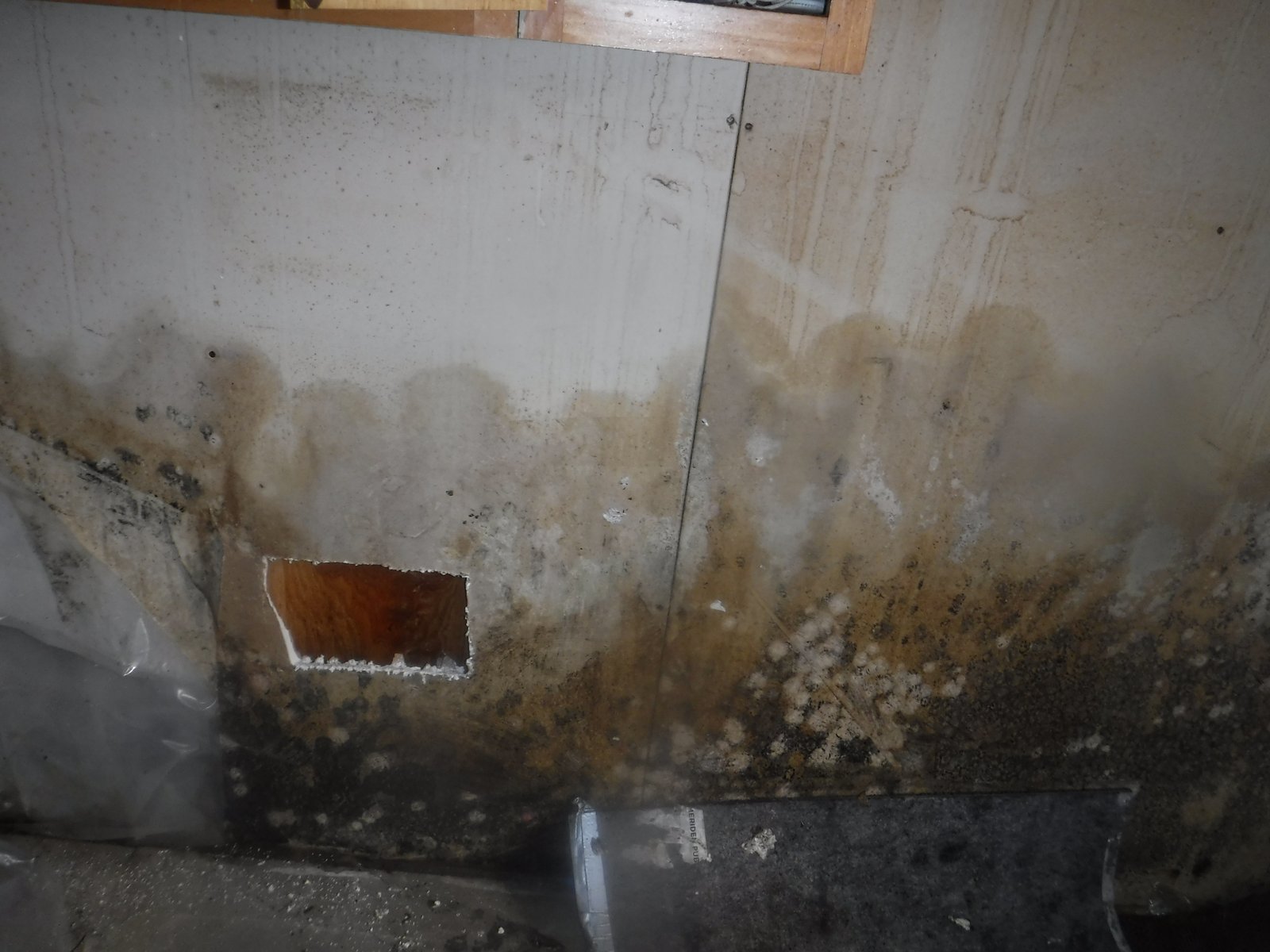
The term "black mold" typically refers to Stachybotrys chartarum, a species of mold that grows on high-cellulose materials (drywall, wood, paper) that have been chronically wet. It's often greenish-black in color and has a slimy texture when wet.
Important clarification: not all dark-colored mold is Stachybotrys. Other molds like Cladosporium, Aspergillus, and Alternaria can also appear black or dark. Conversely, toxic mold is not always black — some dangerous mold species are white, green, or gray. The only way to identify mold species with certainty is through professional mold testing with lab analysis.
Black Mold Symptoms: What to Watch For
Mold exposure affects people differently based on exposure level, duration, individual sensitivity, and the type of mold. Common symptoms associated with mold exposure include:
Respiratory Symptoms
- Chronic coughing or wheezing
- Shortness of breath
- Nasal and sinus congestion
- Throat irritation
- Frequent respiratory infections
- Worsening asthma (mold is a known asthma trigger)
Neurological Symptoms
- Persistent headaches
- Brain fog or difficulty concentrating
- Memory problems
- Dizziness
- Fatigue that doesn't improve with rest
Allergy and Immune Symptoms
- Itchy, watery, or red eyes
- Skin rashes or hives
- Runny nose and sneezing
- General immune system sensitivity
Severe Symptoms (Seek Medical Attention Immediately)
- Difficulty breathing or chest tightness
- Coughing up blood
- Severe neurological symptoms
- Symptoms that worsen significantly and rapidly
Note: We are mold remediation specialists, not medical professionals. If you believe you're experiencing health effects from mold exposure, consult your doctor. The symptoms above are provided for general educational purposes.
Who Is Most Vulnerable to Black Mold?
While any prolonged mold exposure can be harmful, certain populations are at heightened risk:
- Infants and young children — Developing immune and respiratory systems are more susceptible
- Elderly individuals — Reduced immune function increases vulnerability
- People with asthma — Mold is a primary asthma trigger
- Immunocompromised individuals — Cancer patients, transplant recipients, HIV/AIDS patients
- People with allergies — Existing sensitivities can be severely exacerbated
If any of these individuals live in your Fairfield County home, we strongly recommend professional mold inspection if any mold is suspected.
The Mycotoxin Question
The most serious health concerns associated with black mold relate to mycotoxins — toxic compounds produced by certain mold species, including Stachybotrys. Mycotoxins can cause more serious health effects than typical allergic responses, and there is scientific research suggesting links between chronic mycotoxin exposure and neurological damage, immune suppression, and other serious conditions.
However, not all black mold produces mycotoxins, and not all mold that produces mycotoxins is black. This is precisely why professional mold testing is the only reliable way to know what you're dealing with.
When to Call a Professional Immediately
Don't wait if:
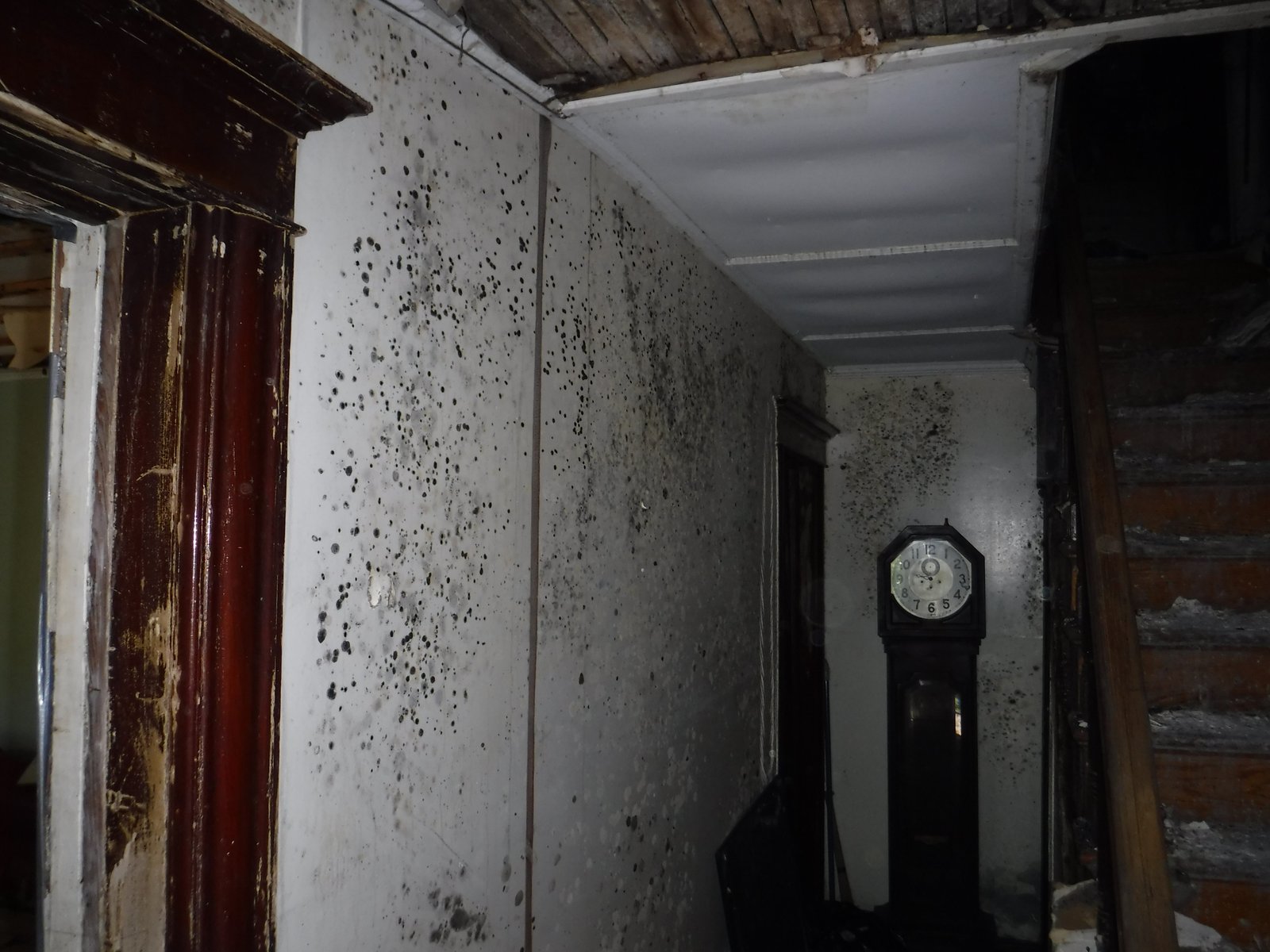
- You can see black or dark-colored mold on any surface in your home
- A family member — especially a child or elderly person — is experiencing respiratory or neurological symptoms that improve when away from home
- You've had water damage and now notice a musty odor or health symptoms
- You smell mold but can't find the source
- Mold covers more than 10 square feet
- Mold is in or near your HVAC system
In all of these situations, call us immediately at (203) 401-8841. We provide same-day response throughout Fairfield County and 24/7 emergency service.
Why You Shouldn't Try to Remove Black Mold Yourself
We understand the impulse to grab bleach and scrub the mold away. But DIY black mold removal frequently makes the situation worse:
- Disturbing mold releases spores: Scrubbing or wiping mold can release millions of spores into the air, spreading contamination throughout your home
- Bleach doesn't kill mold in porous materials: Bleach kills surface mold but can't penetrate drywall, wood, or insulation where mold roots (hyphae) grow deep
- Without containment, you spread mold: Professional remediation uses sealed containment zones and negative air pressure to prevent cross-contamination
- You can't verify it's gone: Only post-remediation air testing can confirm the mold has been successfully removed
- Insurance implications: Improper DIY remediation can complicate insurance claims
What Professional Mold Remediation Involves
Our certified mold remediation process for black mold includes:
- Full containment of the affected area with plastic sheeting and negative air pressure
- HEPA air scrubbers running continuously during work
- Safe removal and disposal of all mold-contaminated materials
- HEPA vacuuming of all surfaces
- EPA-registered antimicrobial treatment of affected areas
- Post-remediation air testing to confirm clearance
- Written clearance report for insurance and records
Learn more about our full mold remediation process.
Worried About Black Mold in Your Home?
Don't take chances with your family's health. Call our certified specialists for same-day response throughout Fairfield County.
📞 Call (203) 401-8841 Get Mold Tested →