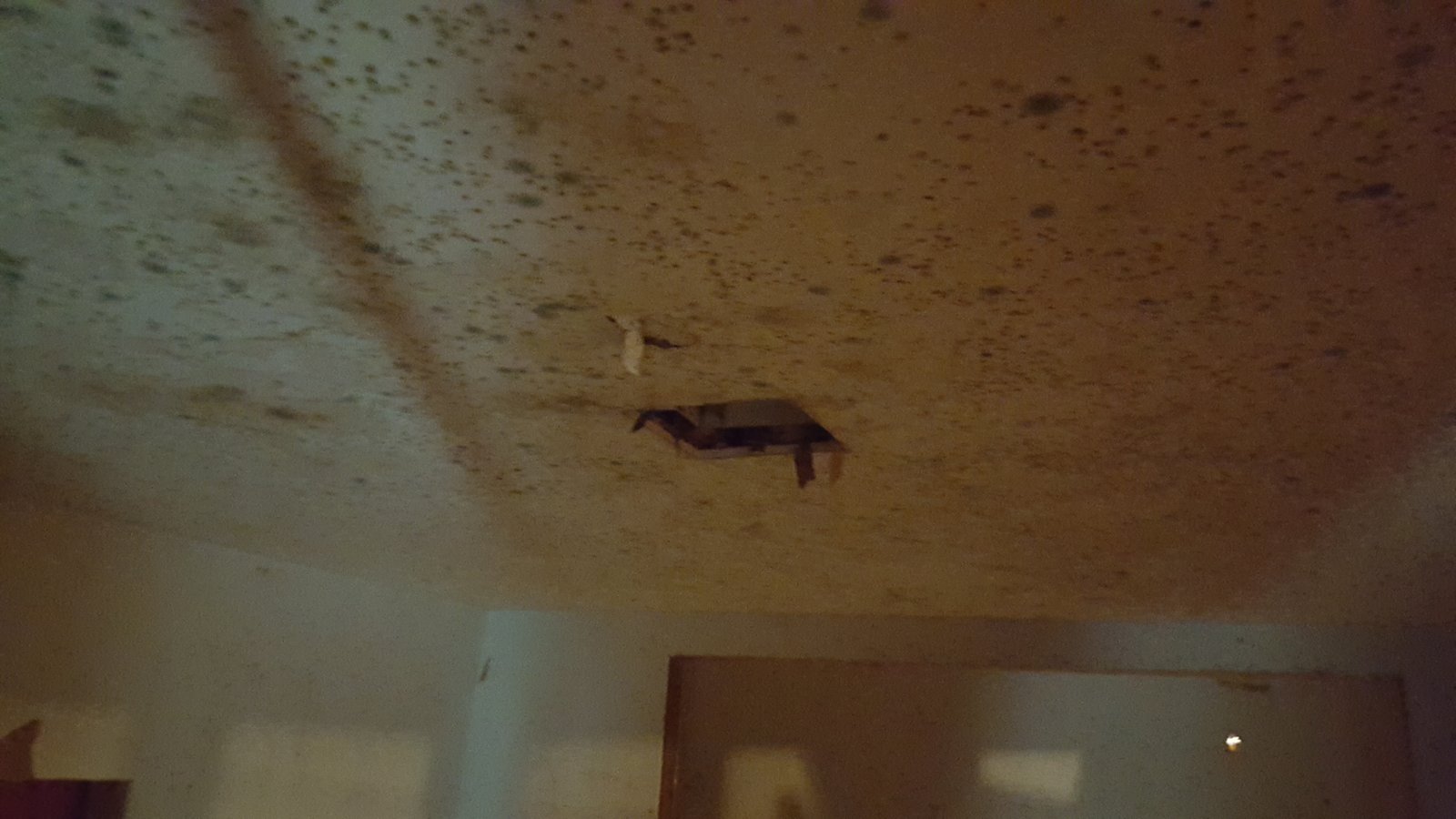
One of the first questions homeowners ask when they discover mold is: "How much is this going to cost me?" It's a reasonable question with an unsatisfying answer — it depends. Mold remediation pricing varies widely based on the size and location of the problem, the type of mold, and the scope of work required. But as Fairfield County specialists, we can give you real numbers that reflect what Connecticut homeowners actually pay.
Mold Remediation Cost Ranges in Connecticut (2026)
Based on our work throughout Fairfield County, here are typical price ranges by job type:
- Small surface mold (under 10 sq ft, non-porous surfaces): $500 – $1,500
- Bathroom mold remediation: $800 – $2,500
- Crawl space mold remediation: $1,500 – $5,000
- Basement mold remediation: $2,000 – $8,000
- Attic mold remediation: $2,500 – $10,000+
- Whole-house mold remediation: $10,000 – $30,000+
- HVAC mold remediation: $3,000 – $10,000 depending on system size
These ranges reflect the total cost of professional remediation including containment, removal, treatment, and post-remediation testing. They do not include structural repairs or reconstruction after mold removal — those are separate costs.
What Factors Affect Mold Remediation Cost?
1. Size of the Affected Area
This is the single biggest cost driver. A localized patch of mold in one bathroom corner is a very different job than mold throughout an entire basement. Most contractors price by square footage for the affected area, with a base minimum for smaller jobs to cover containment setup and equipment.
2. Location in the Home
Mold in accessible areas (a basement wall you can walk up to) costs less to remediate than mold in tight or hard-to-reach spaces. Attic mold often requires working in confined spaces around rafters and insulation. Crawl space mold requires specialized equipment and more labor-intensive access. HVAC system mold requires ductwork access and potentially specialized cleaning equipment.
3. Type of Materials Affected
Mold on non-porous surfaces (concrete, tile, metal) can sometimes be treated without full removal. Mold in porous materials — drywall, insulation, wood framing, carpet — requires removal and disposal. The more structural material that must be removed, the higher the cost. Additionally, regulated materials like certain old insulation types add disposal cost.
4. Severity and Duration
Mold that has been growing for years is typically more extensive than recently discovered mold. Chronic moisture problems often result in mold that has penetrated deeper into structural materials. Early detection and remediation is always significantly cheaper than waiting.
5. Reconstruction Costs
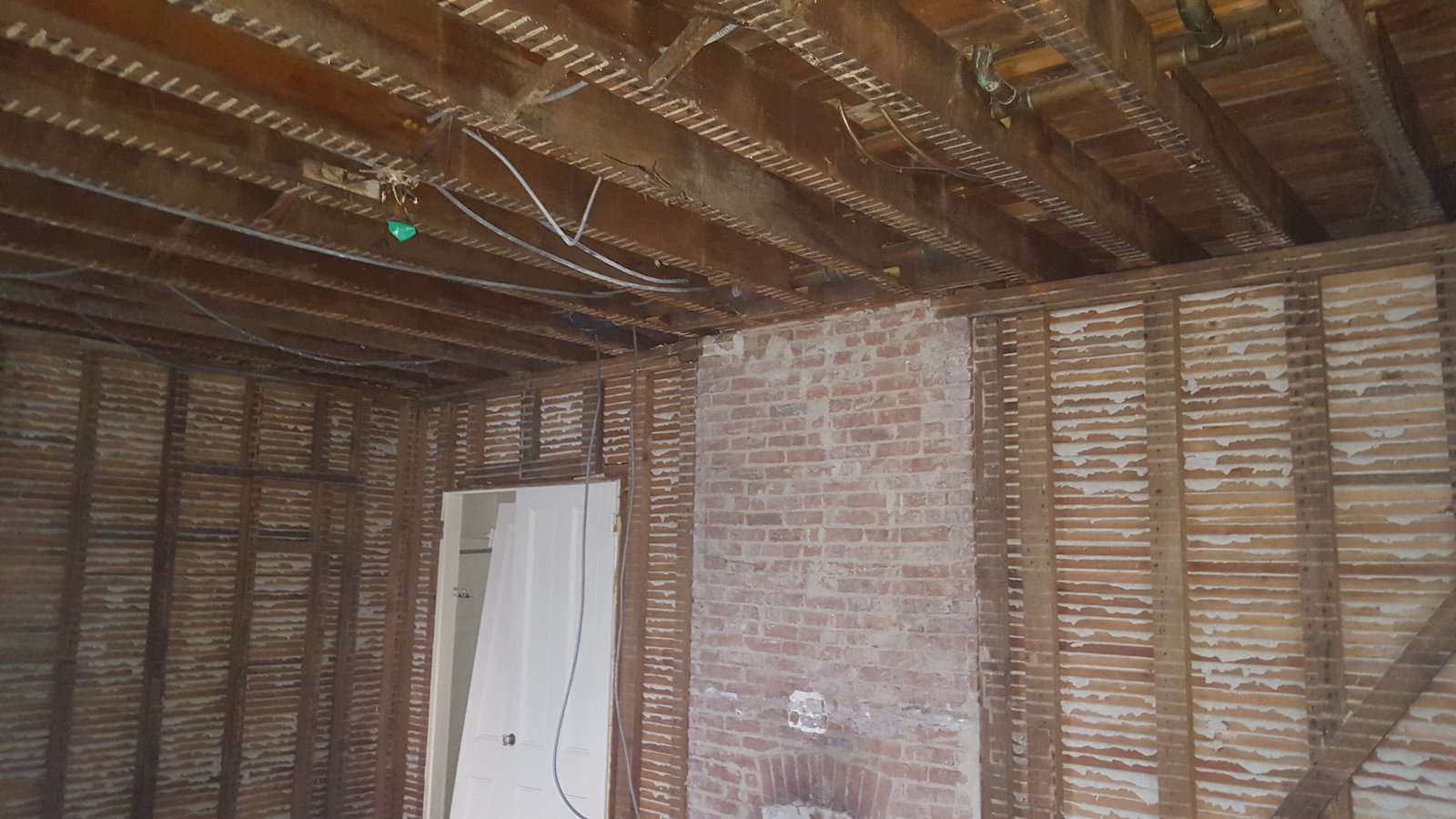
After mold-contaminated materials are removed, the structure must be repaired. Replacing insulation, drywall, flooring, or structural framing adds cost beyond the remediation itself. Some companies offer both remediation and reconstruction; others focus only on remediation and refer reconstruction to general contractors.
Does Homeowner's Insurance Cover Mold Remediation?
Coverage depends on your policy and the cause of the mold. Generally:
- Typically covered: Mold resulting from a sudden, accidental covered event like a burst pipe or storm damage
- Typically not covered: Mold from gradual leaks, neglected maintenance, or flooding (requires separate flood insurance)
- Gray areas: Roof leaks, sump pump failures (may require an endorsement), HVAC-related mold
We provide complete inspection reports, photographs, and remediation documentation to support insurance claims. We're experienced working with all major carriers in Connecticut and can help you navigate the process.
The Cost of Waiting
This deserves emphasis: mold remediation costs increase significantly the longer mold is left untreated. A $1,500 bathroom mold job discovered early can become a $5,000+ job after the mold spreads to wall cavities and subfloor. A contained basement mold problem addressed promptly may cost $2,000–$3,000; the same problem ignored for another year may require structural repairs pushing the total well above $10,000.
The 24–48 hour window after water damage is particularly critical. Acting fast after any water intrusion event is the single most cost-effective thing you can do. See our guide on mold after water damage for what to do immediately.
Mold Inspection and Testing Costs
Before remediation, you may need an inspection or testing. Typical costs in Fairfield County:
- Visual mold inspection: $200 – $600 depending on home size
- Air quality sampling (per sample): $75 – $150 per sample plus lab fees
- Full mold testing package (inspection + 3-5 air samples + lab): $400 – $900
- Post-remediation clearance testing: $300 – $600
Learn more about our mold testing services and mold inspection process.
How to Avoid Overpaying for Mold Remediation
- Get multiple quotes — but beware of quotes that seem too low. Thorough containment, HEPA filtration, and post-testing add cost that cut-rate providers skip.
- Verify IICRC certification — certified technicians follow established protocols that protect you and ensure the job is done correctly.
- Ask about post-remediation testing — any reputable company should include or offer clearance testing. If they don't, ask why.
- Get the scope of work in writing — understand exactly what materials will be removed, what will be treated, and what the process for confirmation looks like.
- Don't pay solely on price — an improper remediation that spreads spores or misses the source will result in mold returning, requiring the job to be done again.
Get an Accurate Estimate for Your Home
We provide free on-site assessments throughout Fairfield County. No surprise costs — clear scope, clear pricing.
📞 Call (203) 401-8841 Book Inspection →