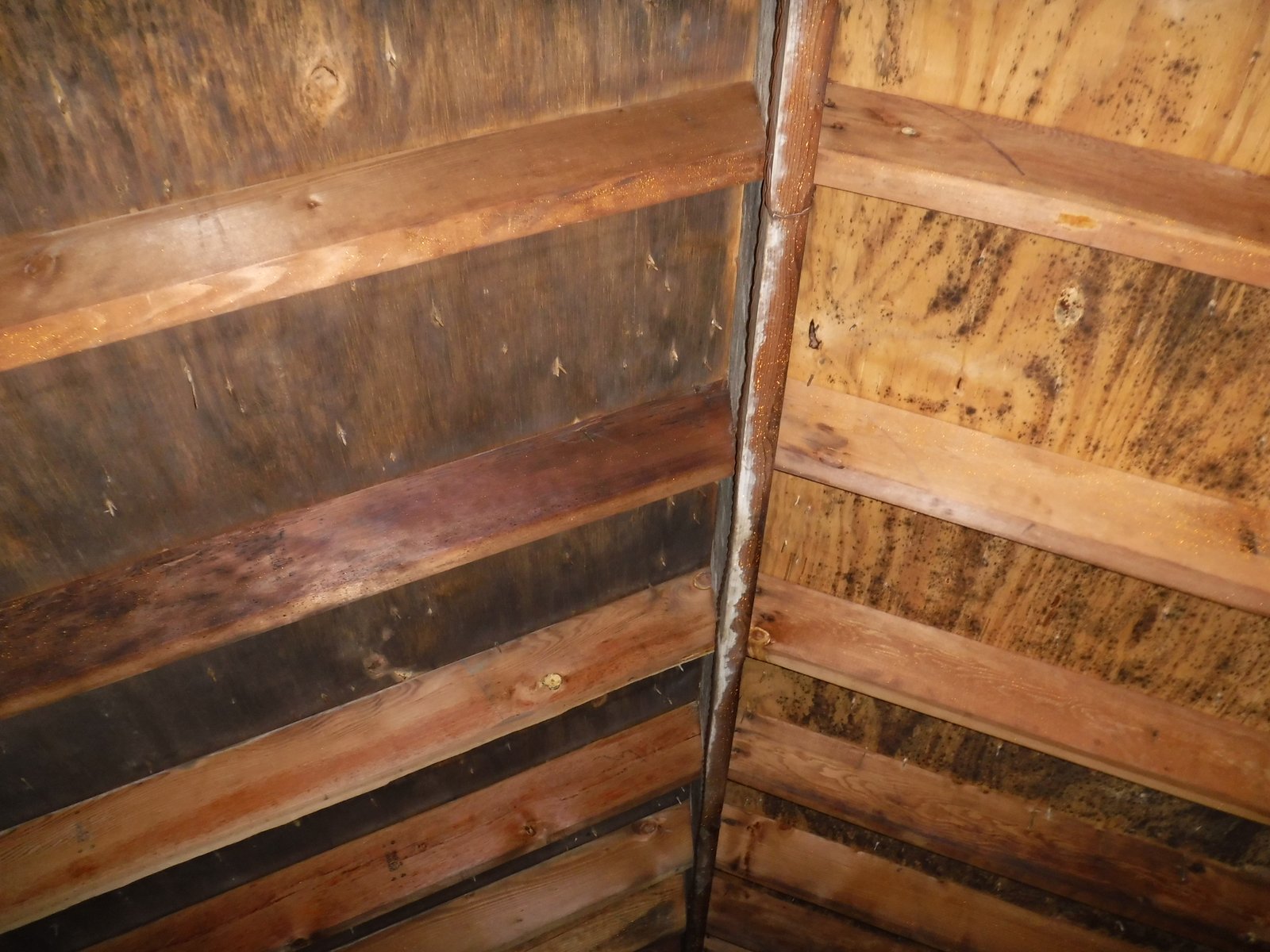
If we had to name the single most common mold finding in Fairfield County home inspections, attic mold would be near the top of the list. In Connecticut's climate, with its cold winters, humid summers, and frequent precipitation, attics are a perfect environment for mold — and most homeowners never look up there until they're selling their home or notice a problem elsewhere.
Here's everything Connecticut homeowners need to know about attic mold: why it happens, how to spot it, and what professional remediation involves.
Why Attic Mold Is So Common in Connecticut
Several specific conditions in Connecticut homes drive attic mold growth:
Inadequate Attic Ventilation
Proper attic ventilation requires a balance of intake (soffit vents) and exhaust (ridge or roof vents) that allows air to flow continuously through the attic space. When this balance is off — blocked soffit vents, improperly installed insulation covering vents, or insufficient exhaust — warm, moist air becomes trapped. This moisture condenses on the cold roof sheathing in winter, creating ideal mold conditions.
Bathroom and Kitchen Exhaust Fans Venting into the Attic
This is one of the most common causes of attic mold we find, particularly in older Connecticut homes. Building codes require bath fans to vent to the exterior, but older installations often vent directly into the attic space. Every shower, every cooking session pushes warm, humid air directly into the attic. The result, over time, is extensive mold on roof sheathing and rafters.
Ice Dams
Connecticut winters regularly produce ice dam conditions. When heat escapes from the living space into the attic (often due to inadequate insulation), it warms the roof deck unevenly. Snow melts, water runs to the cold eaves, refreezes, and backs up under shingles. This water infiltrates the attic and the living space below, creating wet conditions that directly cause mold.
Roof Leaks
Even small roof leaks can introduce significant moisture into the attic over time. By the time a homeowner notices a water stain on the ceiling below, mold may have been growing in the attic for months. Connecticut's frequent rain and occasional severe storms mean roof leaks are a consistent mold risk.
Insufficient Insulation
Inadequate attic insulation leads to more significant temperature differentials between the attic and the living space, worsening ice dam formation and condensation. Many older Fairfield County homes have attic insulation that falls well short of current recommendations.
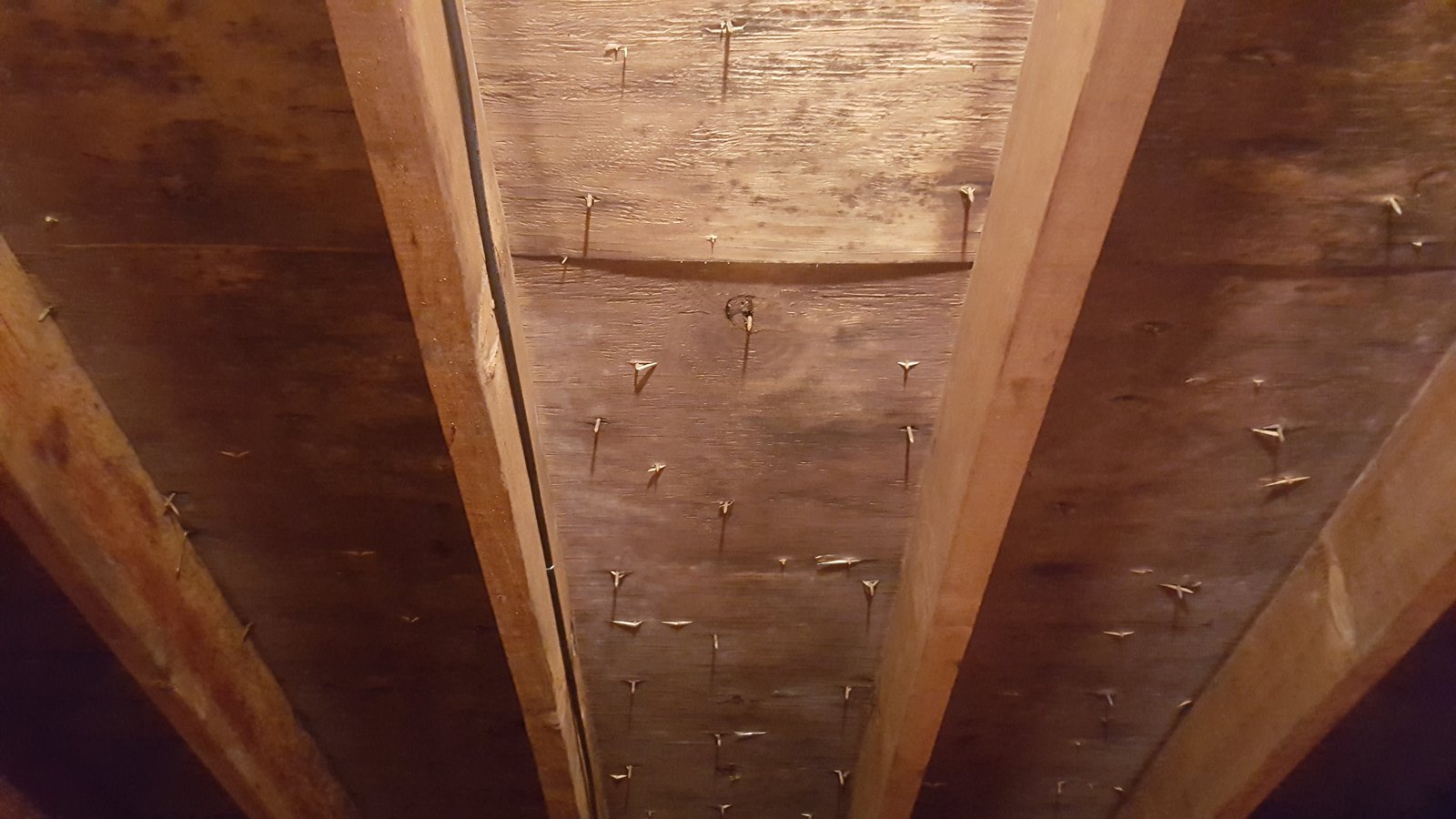
Signs You May Have Attic Mold
Most homeowners discover attic mold one of three ways: during a home inspection (their own or a buyer's), when investigating a roof leak, or when we find it during a mold inspection for another concern. But there are signs you can watch for:
- Dark staining on attic sheathing or rafters — visible when you look into the attic with a flashlight
- Musty odor in upper floors or throughout the house — attic mold odors can permeate into living spaces
- Water stains on ceilings — may indicate a roof leak, which often accompanies attic mold
- Ice dams on the roof in winter — a primary driver of attic moisture
- Elevated allergies on upper floors — attic mold spores can settle into living spaces
- High energy bills — may indicate insulation or air sealing problems that also drive attic moisture
Attic Mold and Home Sales in Connecticut
Attic mold is one of the most common deal-complicating findings in Connecticut real estate transactions. As a seller, discovering attic mold before listing avoids the stress of having it discovered by the buyer's inspector and allows you to remediate on your timeline. As a buyer, knowing the attic's mold status before closing protects you from inheriting an expensive problem.
We perform pre-purchase mold inspections throughout Fairfield County and provide written reports suitable for real estate transactions. We work within tight closing timelines when needed.
Professional Attic Mold Remediation
Attic mold remediation is a specialized job that requires working in tight, hot spaces with full containment and HEPA filtration. Our process:
Assessment and Scope
We inspect the full attic, document all affected areas, identify the moisture source, and scope the remediation. Attic mold extent can vary from a small section of sheathing near a bathroom vent to the entire roof deck.
Source Correction
Remediation without addressing the source is temporary. We identify and correct (or recommend correction of) the underlying moisture issue — whether that's redirecting a bathroom fan, addressing ventilation, or coordinating with a roofer for leak repair.
HEPA Containment and Air Scrubbing
The attic access point is contained and HEPA air scrubbers run continuously during work to prevent cross-contamination of living spaces below.
Treatment of Affected Wood
Mold on attic sheathing and rafters is typically treated rather than removed — removing structural wood is expensive and often unnecessary. We use HEPA vacuuming followed by EPA-registered antimicrobial treatment that encapsulates and kills the mold. Heavily affected sections may require replacement.
Insulation Replacement
Any insulation that has been exposed to mold or moisture is removed and replaced. Contaminated insulation cannot be effectively treated.
Post-Remediation Testing
Air testing confirms the remediation was successful before we close the job.
Think You Have Attic Mold?
Our certified inspectors serve all of Fairfield County. Same-day scheduling available — we'll check your attic and tell you exactly what you're dealing with.
📞 Call (203) 401-8841 Schedule Inspection →How to Prevent Attic Mold
- Verify all bath and kitchen fans vent to the exterior — not into the attic. Check existing ductwork if your home is more than 20 years old.
- Ensure attic ventilation is balanced — consult a contractor if you're unsure whether your soffit and ridge venting is adequate
- Add attic insulation to current code levels — reducing heat loss reduces ice dam formation and condensation
- Inspect your attic annually — a brief look with a flashlight each spring after ice dam season catches problems early
- Address roof issues promptly — even small leaks cause significant mold when left for a season